

What is Phakic IOL 

IPCL stands for implantable phakic contact lens. It's a type of phakic intraocular lens (IOL) that's surgically implanted into the eye to correct visionIPCLs are made of a biocompatible material and are designed to be stable within the eye

Phakic lens
Phakic lens

What is Phakic lens (ICL/IPCL) IPCL?

IPCL (Implantable Phakic Contact Lens) is an ideal option for patients who are not suitable candidates for LASIK or PRK due to a thin corneal profile or high refractive error. These lenses correct refractive errors and eliminate the dependence on spectacles. Unlike regular contact lenses, IPCLs are surgically implanted into the eye and are custom-designed to fit the individual's eye shape perfectly.

The lens is invisible and does not cause discomfort. IPCL surgery is safe, painless, reversible, and effective in addressing conditions like presbyopia. Proper planning and precise implantation are essential to achieving optimal results.

Why choose IPCL Eye Treatment

IPCL (Implantable Phakic Contact Lens) is a foldable intraocular lens inserted into the eye through a small 2.8 mm incision. It effectively corrects a wide range of refractive errors, including myopia (nearsightedness), hyperopia (farsightedness), astigmatism (cylindrical power), and presbyopia (both distance and near vision).

IPCL provides high-quality vision and enhances overall visual clarity. Its foldable design allows for implantation through a minimal incision, promoting faster healing. Unlike laser surgeries, IPCL can be safely removed in the future if necessary.

Why choose IPCL Eye Treatment

Benefits Of IPCL

Key Features of the Procedure

  • No corneal tissue is removed.
  • The procedure is bloodless, painless, and does not require hospitalization.
  • Delivers excellent, high-quality vision.
  • Takes only 8-10 minutes per eye.
  • Recovery is quick, with patients resuming work within 1-2 days.

Why Choose Saurabh Eye Hospital For LASIK?

Understanding the Comfort of the Procedure
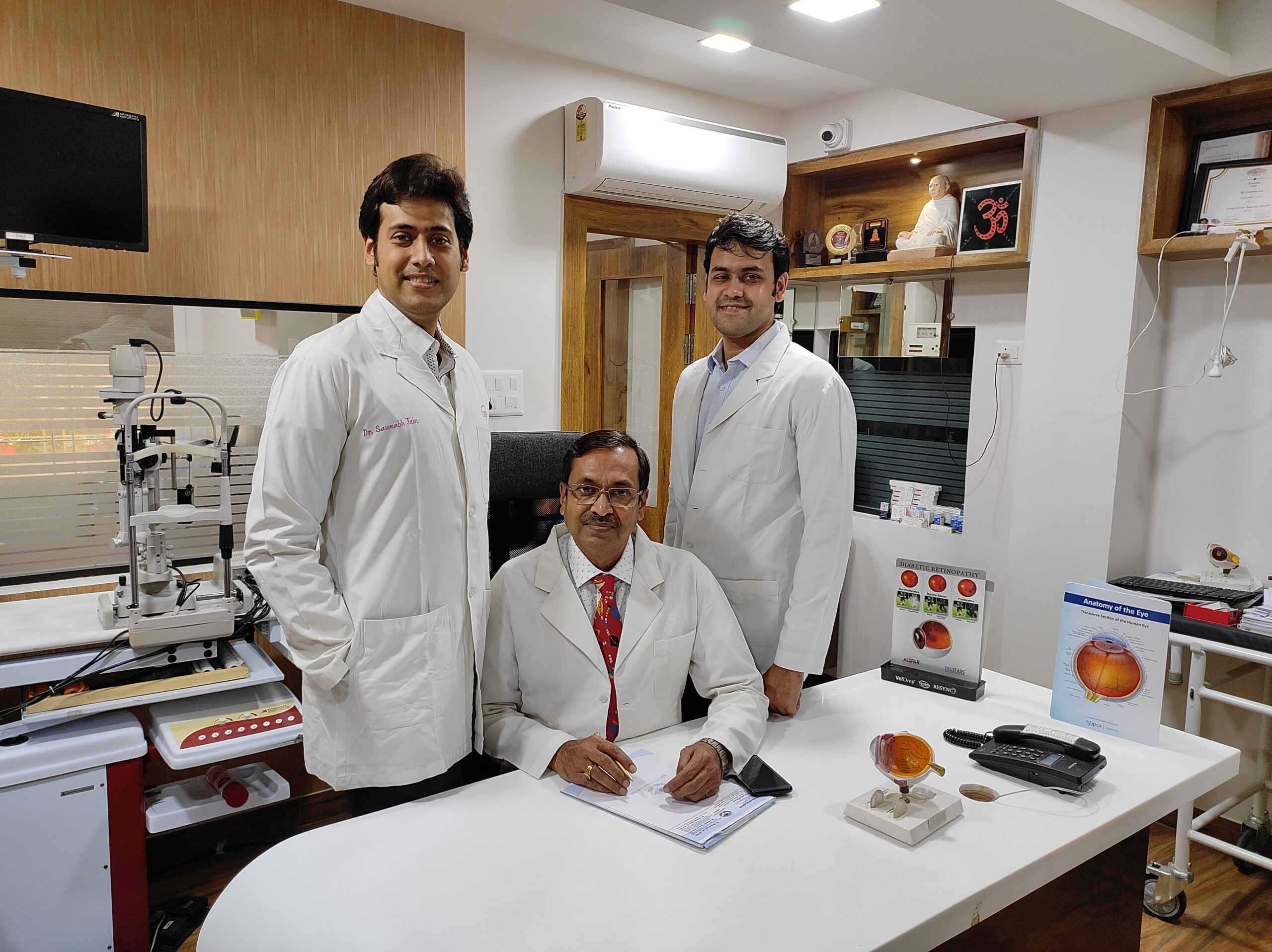
At Saurabh Eye Hospital, we provide advanced, 100% blade-free Femto LASIK surgery tailored to each patient’s unique eye structure. Recognized as a leading LASIK center in Ujjain, MP, our expert surgeons and skilled staff ensure exceptional care and affordable spectacle removal solutions.

For more information on IPCL eye surgery or to book a consultation, contact Saurabh Eye Hospital, Ujjain.

How do Phakic lens (ICL/IPCL) work?

Key Features of the Procedure

Phakic lenses (ICL/IPCL) are custom, biocompatible lenses designed to fit your eye. They are placed behind the iris and in front of the natural lens during a quick, painless procedure. These lenses adjust the eye's focus for clear vision, offering a long-term solution. Unlike external contacts, they are surgically implanted for convenience and durability.

How do I know if I am a suitable candidate for Phakic lens (ICL/IPCL) ?


⦁ Candidates for the ICL/IPCL are above 18 years of age and refraction should be stable
⦁ Candidate with refractive error who are unsuitable for laser refractive surgery due to thin cornea or high myopia.
⦁ Pregnant or nursing women should wait to have the ICL/IPCL implanted.
⦁ Candidate without a large enough anterior chamber depth or low endothelial cell density may not be a good ICL/IPCL candidate.
⦁ Candidate should consult their eye surgeon for more information, including an assessment of their candidacy.

Procedure of Phakic lens (ICL/IPCL)


⦁ The implant surgery is quick and painless, lasting only about 10-15 minutes Local anaesthetic eye drops will be used to numb your eyes.
⦁ When your eye is completely numb, an eyelid speculum will be placed between your eyelids to keep you from blinking during the procedure.
⦁ Phakic iol (ICL/IPCL) is inserted by an ophthalmologist through micro incision (2.8mm)
⦁ It is placed inside the eye just behind Iris in front of Crystalline lens.

STEPS OF SURGERY

The Phakic IOL (ICL/IPCL) is inserted through the incision.
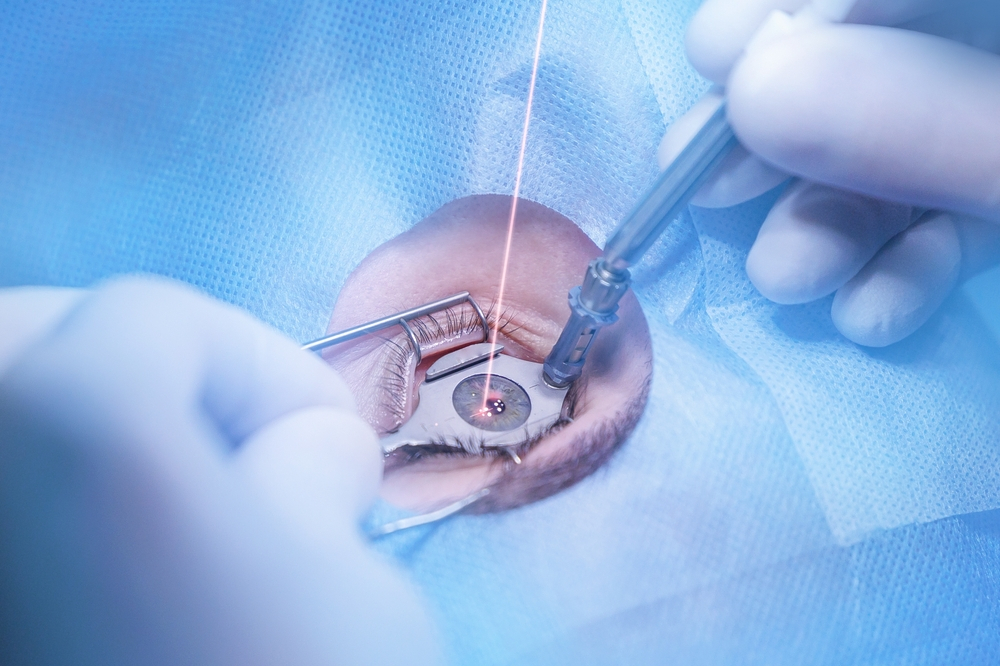
  • The quick, painless surgery takes 10-15 minutes with local anesthetic eye drops.
  • An eyelid speculum prevents blinking during the procedure.
  • The Phakic IOL (ICL/IPCL) is inserted through a 2.8mm micro-incision.
  • It is placed behind the iris and in front of the natural lens.

Advantages of Phakic lens ( IPCL/ICL)

Benefits of Phakic Lenses (IPCL/ICL)

Advantages of Phakic Lenses (IPCL/ICL)

  • High-quality vision
  • Retains corneal asphericity
  • Treats nearly all levels of refractive error, offering a wide treatment range
  • Can be easily removed or replaced (in 5-10 minutes)
  • Quick recovery
  • No dry eye issues

Potential risks of Phakic lens (ICL/IPCL)?

  • Overcorrection: This complication occurs if the prescriptive power of the implanted ICL is too strong. In most cases it can be corrected with corrective eyewear or with an ICL replacement.
  • Undercorrection: The opposite of overcorrection, undercorrection is the result of an implantable contact lens with too weak of a prescription. Correction methods are similar to those of overcorrection.
  • Infection: During most surgeries, there is a potential risk of an infection.
  • Increased Intraocular Pressure :Pressure may build in the eye after an ICL procedure. The sooner a surgeon is alerted to this, the greater the chance of avoiding serious damage. This is detected during your follow up visits with us or in case you face acute blurring of vision or headaches, you must visit the eye clinic. ICL may rarely need to be repositioned.
  • Damage to Crystalline Lens: This lens has unique properties of multifocality as well as toricity. It offeres minimal dependence on glasses to patients who have pre-existing corneal astigmatism, thus allowing a full range of distance, intermediate, and near vision Your doctor will suggest which IOL is suitable for your eye condition and your visual requirement.
  • Cataract Development: Most of the population will develop cataracts by the age of 65, however, it is believed that the use of phakic iol may cause cataracts at an earlier age, this however is rare.
  • Retinal Detachment: High Myopic patients are already at high risk of Retinal Detachment. Less than 1 percent of patients in the clinical studies were affected by retinal detachment. It should be noted, however, that the occurrence of retinal detachment increased as the degree of myopia increased.